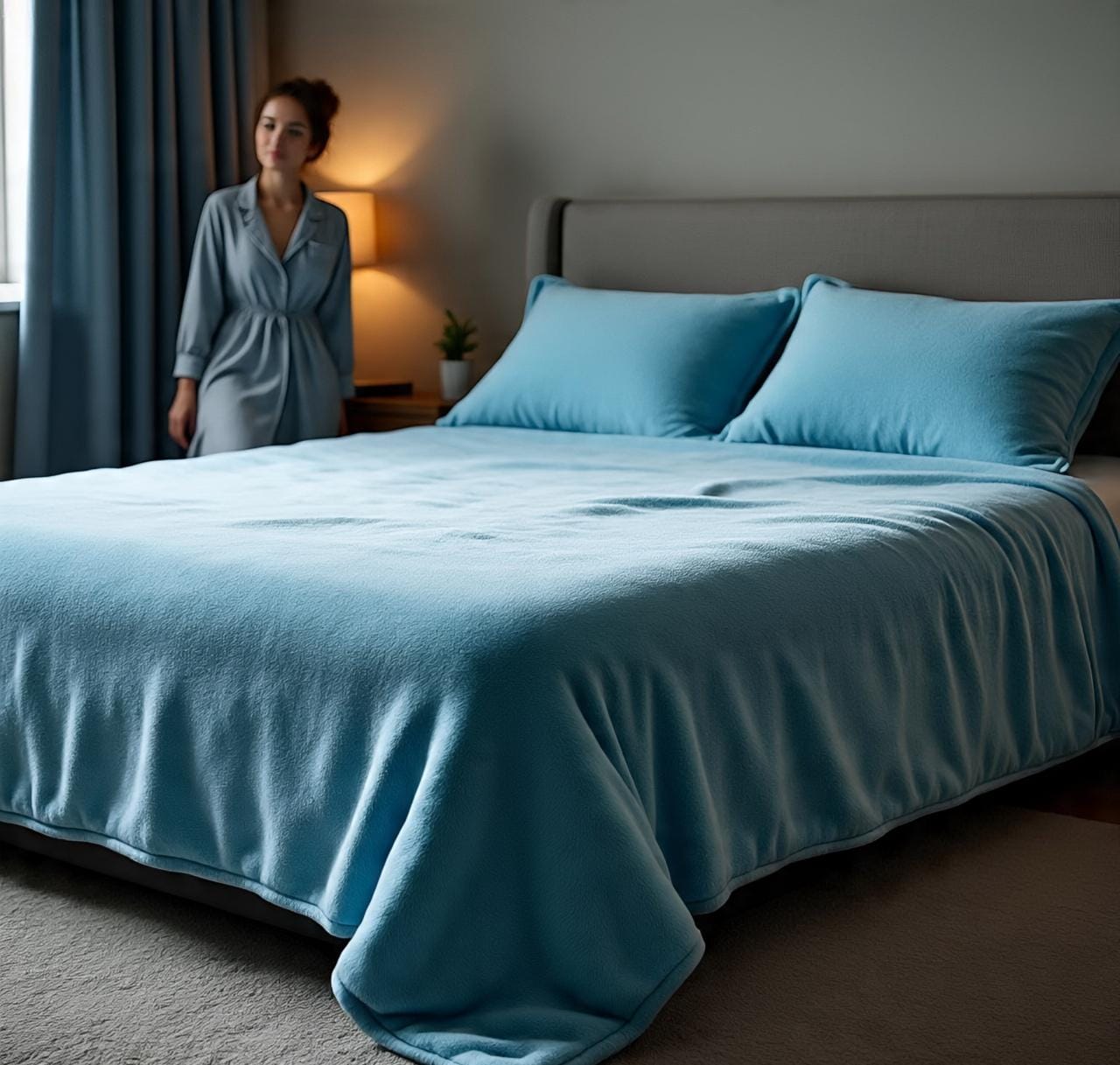
The global textile industry is undergoing a powerful transformation, and sustainability is no longer just a trend — it is a business imperative. Today, Blankets manufacturers are rethinking traditional processes to reduce environmental impact while improving quality and scalability. The demand for eco-conscious wholesale Blankets is increasing across retail, hospitality, healthcare, and export markets, pushing the industry toward smarter and greener solutions.
From responsible raw material sourcing to advanced technology integration, sustainable Blankets manufacturing is reshaping how products are designed, produced, and distributed worldwide. This evolution is especially visible in emerging textile hubs where innovation and environmental responsibility are advancing together.
Sustainability begins at the raw material stage. Modern production strategies now prioritize organic cotton, bamboo fibers, recycled polyester, and reclaimed wool. These eco-friendly inputs significantly reduce water consumption, chemical usage, and carbon emissions compared to conventional alternatives.
For Blankets wholesalers and Blankets suppliers, this material shift creates a strong competitive advantage. Retailers and distributors increasingly prefer sourcing from a responsible Blankets producer that can demonstrate environmentally safe practices. Sustainable materials not only support eco-labeling but also improve durability, softness, and long-term performance.
Many businesses sourcing Blankets in bulk are now evaluating suppliers based on lifecycle value rather than just cost. Longer-lasting blankets mean fewer replacements, reduced waste, and improved brand credibility. In addition, hospitality groups and institutional buyers are requesting certifications that validate safe dyeing processes and chemical-free finishes.
This demand has encouraged every major Blankets vendor to upgrade sourcing standards and prioritize sustainable fibers. By aligning environmental responsibility with product performance, the wholesale market is steadily shifting toward greener solutions.
Sustainable transformation goes beyond raw materials. Inside every modern Blankets factory, production lines are becoming more energy-efficient and technology-driven. Automation reduces fabric waste, while advanced machinery lowers electricity consumption without compromising output capacity.
The shift is particularly evident in regions known for large-scale Blankets production, especially in Blankets in India, where textile clusters are integrating solar power systems and water recycling units. These upgrades significantly reduce environmental impact while maintaining competitive pricing for global buyers.
Traditional dyeing and finishing processes have also evolved. Low-impact dyes and chemical-free treatments are replacing older systems that generated high wastewater discharge. As a result, Indian Blankets are gaining recognition not only for craftsmanship but also for responsible manufacturing standards.
Energy optimization also improves cost efficiency. When manufacturers reduce operational waste, savings can be passed along the supply chain — benefiting distributors, retailers, and exporters alike. This balance of sustainability and scalability is redefining global sourcing strategies.
True sustainability includes social responsibility. Ethical sourcing, fair labor practices, and transparent documentation are now essential components of modern textile operations. Leading Blankets exporters are ensuring that every stage of the supply chain meets international compliance standards.
Bulk buyers expect accountability. Whether supplying hotels, hospitals, or retail chains, companies ordering Blankets in bulk require consistent quality, safety certifications, and traceable sourcing. Ethical oversight strengthens long-term partnerships and reduces trade risks in international markets.
Global demand for responsibly sourced blankets has encouraged collaboration between manufacturers, logistics providers, and compliance auditors. As more countries introduce stricter environmental regulations, exporters that prioritize transparency gain a clear competitive edge.
The integration of technology, ethical audits, and responsible sourcing practices ensures that wholesale distribution is both scalable and sustainable — meeting the expectations of modern consumers and businesses.
Conclusion
Sustainable innovation is no longer optional in the textile industry; it is shaping the future of global trade. From eco-friendly fibers to energy-efficient systems and ethical supply chains, the transformation of the blanket industry reflects a broader shift toward responsible manufacturing.
As sustainability standards continue to rise, manufacturers and distributors that embrace environmentally conscious strategies will lead the market. By combining quality, affordability, and accountability, the industry is successfully redefining what modern wholesale blankets should represent — comfort with responsibility.
The future belongs to those who invest in sustainable production today, ensuring long-term growth, global competitiveness, and a healthier planet for generations to come.